Tuesday, July 15, 2008

Demand-Side Market Failure

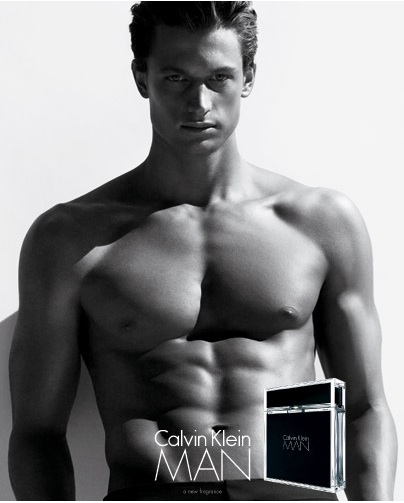
Demand-side market failure is marketing strategies that have negatice impacts on individuals. Take for example the NutriSystem weight loss program and Larry the Cable Guy. Larry the Cable Guy is known for being chubby, a red neck, and very funny. Recently he has been on the NutriSystem commercials and has 50 pounds. Although this may be a good thing for his health, are marketers trying to change the appreance of Larry the Cable Guy? It could be. For many years women have always been the target of weight loss programs. Women should not be fat, but they should be thin and beautiful. Now more and more commercials and advertisments are targeting men as well. Men shouldn't be over weight, but they should have muscles.

Another commercial out there targeting men are the Viagra commercials. What these commercials are telling men, and women, is that men must have stamina in the bed room. If they don't, then they are not considered good lovers. The marketing industry is trying to change our views of how we see our partners by their appearance, and by their bedroom performance. This advertisment really affects younger males than older males because they are just beginning life and aren't settled down and married. These commercials are telling younger males that they have to buy this product in order to feel better about yourself, and to make your partner like you more. However, this is not true.

Marketing has influenced everyone's opinions of what is beautiful. Take for example the American Idol show. Simon has told many individuals that they are overweight, and that they don't look like an American Idol. Well how does anyone know what an American Idol should look like? The media has shown the world that women singers are beautiful, skinny, good hair and skin and men are very attractive, muscular, and not hairy. But what the media doesn't focus on are people's talents. They focus on the superficial things in life rather than the real talent.

Our image of a beautiful man or woman has changed dramatically over time with the use of demand-side market failure.


Marylin Monroe was a size 14
in this picture.


Today's model

Planned Obsolencence

There are many examples of products out on the market that are considered old and out dated. Planned obsooescence is the design of a product that will soon become obsolete because the manufacturer knows they will be developing a new and improved product after this one. Computers are an excellent example of this. Last September I bought a brand new Gateway Windows Vista computer. When I took it home it was running slower than my old computer so I brought it back to the store and they said that the updates were not up to date. So they updated everything for me and it worked once I brought it home for the second time. This is crazy to me because when I buy a new computer I expect it to be up to date on everything. But unfortunatly this is not the case with technology. The day or the day after you buy something, it is already out of date because there is either a new update for it, or another product on the market. Some would see this as unethical because computer manufactures know this, and yet they never give people a chance to stay up to date because they always come out with something better and more expensive.

Another example would be Apple's Ipod. A few years ago the Ipod classic and nano were very popular. Now they created the Itouch which is better, has more features, and is much more expensive. Within a year, this one will probably be outdated and a newer, smaller, more expensive one will come out.

Companies do this to make more money, and because technology is something that is growing so fast that new things are always available. However, when they are in the process of making one product, and knowing another version or model is on the way right after this one is unethical because this shows they are not trying to combine all features into one product. They want to try to put only a few features in version 1, add one or two more in version 2, and so on. There is no benefit to the customer when they have to purchase versions 1, 2, and 3 when the manufacture could have produced one version to begin with. When computers first came out some would consider this acceptable because they didn't know how far technology could go. Now, there is so much stuff out there that the manufactures know about, they just don't want to take the time to combine everything for the benefit of the consumer.
On the other side of things, some people might not mind buying new versions of software, computers, Ipods, or even cell phones every year or so because it makes them feel like they are getting something new and improved every time they shop.

Worlds first computer


Computer on the market now


Next generation computers on the market soon. If you don't have a touch screen now, yours will be outdated soon!

Doggy Accessories & Services

Over the past few years accessories for dogs have become very pouplar. Dog accessories and carrier purses are a very good example of a unneeded product that has been successfully marketed. Dogs never said "I wish I had a pink jacket to wear today" or "I wish I had a diamond collar". However, with the use of marketing, companies have become very successful selling these products. But are these products really necessary? Some would argue yes, and some would argue no.

Lets look at a doggy carrier purse made by Juicy Coture. This was made with leather and silvertone harwear then decorated with a scotty style print. It would cost someone $325.00 to purchase this for their dog. Some people may find this a necessary must have for their dog so that they can take the to the store with them, or on a vacation with them. On the other hand, other individuals might find that marketing this product is ethically irresponsible. To stick a little dog into a purse with only vent to breath through isn't very nice. If you're taking a dog on a vacation, then you should put it in a larger carrier so they can breathe more and move around. But with a product like this, the poor little dog doens't have room to do any of this. Some would also argue the the price for this is outrageous. Who has enough money to spend $325.00 on a purse to put your dog in? It's just because it's a name brand. You could find a dog carrier at Wal-Mart for around $50.00, but they are not as fashionable as these.

Some people may argue that doggy clothes are a necessary item for their pets because it helps keep them warm. However, others would see it as an unneeded item that is unethical to sell. These individuals would see putting a dog in all of these clothes, fancy collars, and doggy jewerly as being cruel to the dog because they aren't meant to be dressed up like this. Yet people do it, not for the dog, but so they can show off designer clothes and their cute little dog.

Doggy salons have also become very populer recently, and this is a major example of how unneeded services have been marketed successfully. Dogs do not need to go to the salon to get their hair cut really fancy, get back rubs, and even get their nails painted. Many individuals see this as touture to the animals because they were not put on this earth to go through that, nor do they enjoy it and need to have their nails painted. Some would also consider it unethical to have these services so expensive. Only rich people can afford to bring their dogs to these places, and for someone who doesn't have much money, they don't even have the option to do this, which isn't fair. Others see this as a necessity for their dogs. But would they have thought this was a necessity if there were no dog salons right now? Probably not.

This is a picture of the Dog
Sps & Hotel in New York

Monday, July 14, 2008

Budweiser B-to-the-E Beer

Beer is a popular drink of choice at many college parties, and energy drinks are now becoming very popular at these parties. Mixing a energy drink with alcohol (vodka redbulls, vodka and Monster energy drinks) are a new fad among young adults. So why not mix beer with energy drinks? This is what Anheuser-Busch did back in 2005. The b-to-the-e product is beer mixed with popular energy drink ingradients such as caffeine, guarana, and ginseng. They have also made the taste similar to energy drinks by adding flavors of raspberry and cherry. This energy beer is an example of an unneeded product that was brought onto the market and failed. There was no demand or need for a energy beer, and Budweiser thought they could introduce something new to the market and be successful.

According to an article in News Tribune, Budweiser said this new product should "appeal to 20-something consumers craving something zippy in their highly social, fast-paced lifestyles". However, this failed attempt at a new product is due to this reason. Energy drinks are very popular with younger consumers, and having them as their target audience is ethically irresponsible. Marketing this towards younger crowds, such as college students, invites many underage minors to try this product. This product might have succeeded on the market, but their marketing strategy is what made it fail and become unethical. It is illegal to sell alcohol to minors, but by making a product that appeals to this age group is also unethical because the company knew that this age group would be their major buyers. Even though many college students over the age of 21 are major cusumers of alcoholic beverages, knowing this and intentionally trying to draw in a younger crowd is unethical.

Energy drinks, such as RedBull, Monster and RockStar, are very popular with young crowds...high school through college. Creating a fruity beer with the benefits of an energy drink makes these younger individuals want to purchase it because they get the best of both worlds. Being a major company like Anheuser-Busch, you would want to make sure that you don't intentionally market any of your products to minors. There is a difference with intentional and unintentional marketing. Bud Light has very funny commercials that many people enjoy; however, they are not targeting minors. They are targeting minors with this product and that is what makes this an unethical situation.

Legal issues have forced the company to stop selling this product because their marketing strategy was unethical. Not only Budweiser's B-to-the-E, but any other product like it as well. This is a very classic case of a unneeded product that was put out on the market, and failed because of unethical marketing strategies.